
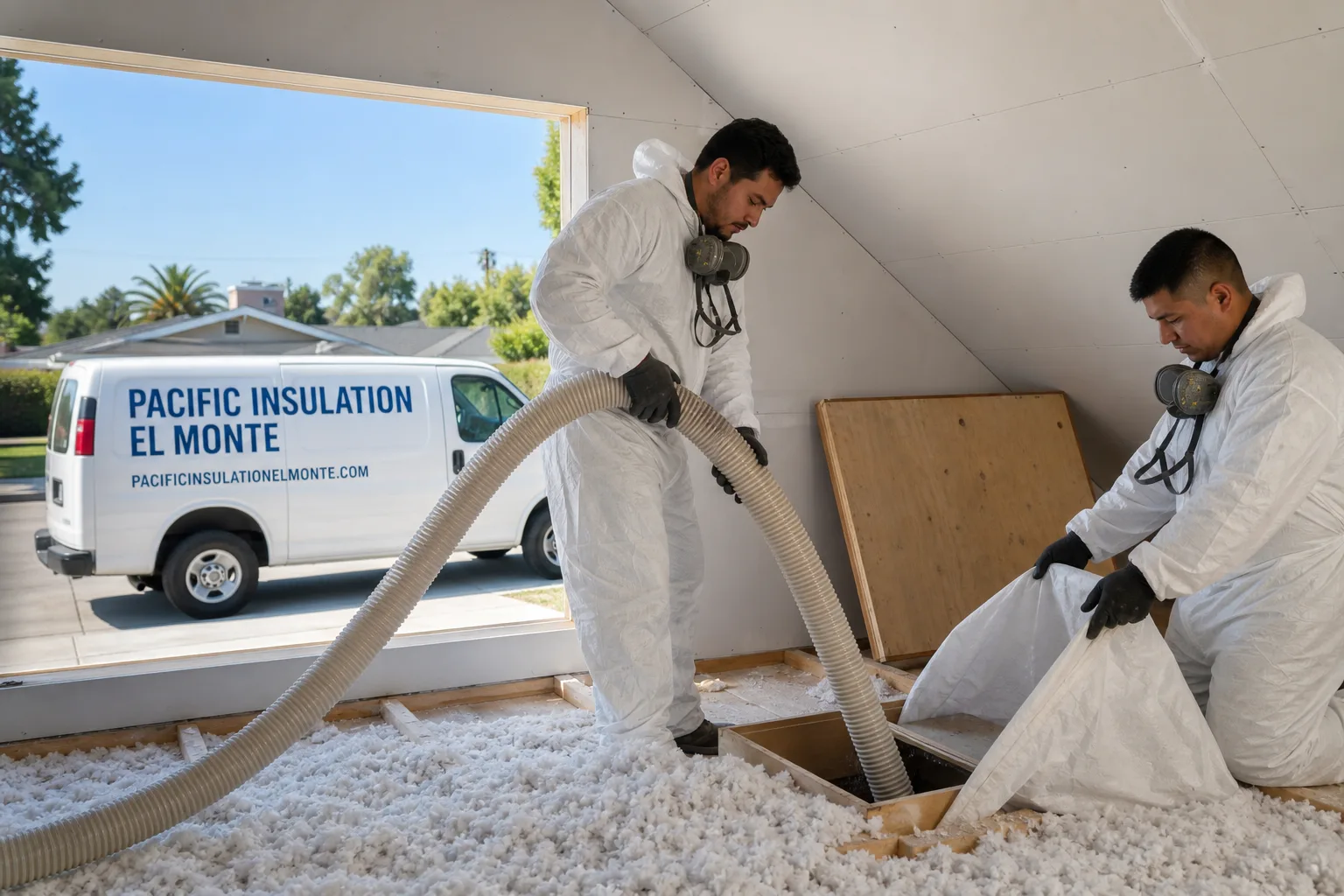
Fast, Reliable Attic Insulation Across San Marino
Adding attic insulation to a San Marino home costs $1,800 to $6,400 for a typical 1,800 to 3,200 square foot estate, with blown-in fiberglass running $1.40 to $2.80 per square foot and dense-pack wall work adding $4 to $7 per square foot. Ruben Castillo personally handles nearly every installation, so you won’t get a salesperson who disappears after the quote. If your 1930s Spanish Colonial is baking upstairs by 2 p.m. during a San Gabriel Valley heat wave, we can be on-site within 24 to 48 hours. Call (626) 254-6177 for a free estimate.
Why Pacific Insulation El Monte Is San Marino’s Preferred Attic Insulation Company
San Marino is not like other cities we work in. The homes off Lacy Park, near The Huntington, and along St. Albans Road were built when nobody thought about thermal envelopes. Plaster-over-wood-lath walls, tile roofs, open attic cavities that leak conditioned air all summer. Our Attic Insulation team has spent years working inside these houses, so we know what’s behind those walls before we cut the first access hole.
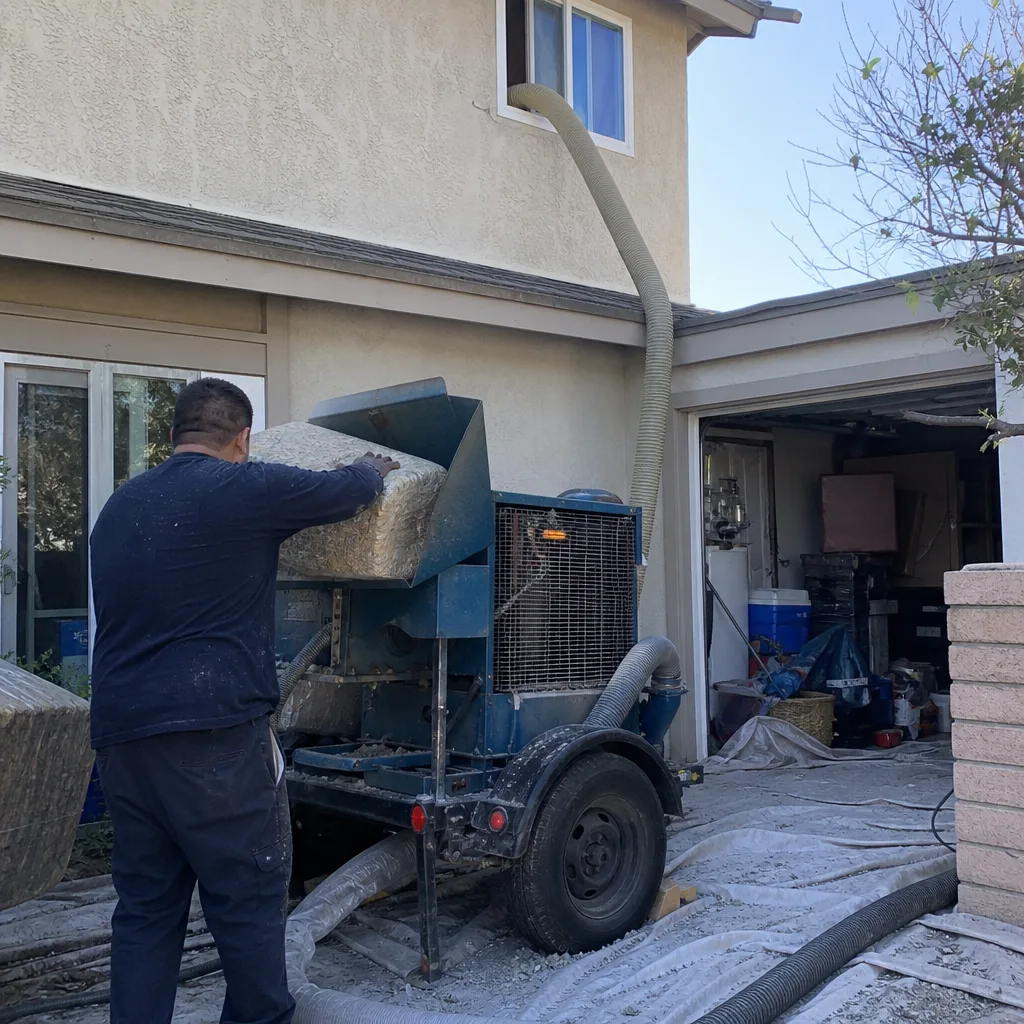
Ruben Castillo owns the company and runs the crew. That means when you call about a 1940s attic near Valentine Elementary, the person answering the phone is often the same person who will be up in that attic with a blower hose. No subcontractor handoffs to a crew that’s never been to San Marino before. No game of telephone between a salesman and the installers. The guy who quotes the job is the guy who does the job, and he’s accountable for every inch of insulation that goes into your home.
We start every San Marino job with a home energy audit. Not a 10-minute walkthrough, but a real diagnostic look at where your estate is losing conditioned air. We check the attic floor for gaps around can lights, chase walls, and the plaster ceilings below. We evaluate whether your existing insulation is doing anything at all. Then we give you a written recommendation with specific materials and R-values, not a generic sales sheet.
Our Attic Insulation Services in San Marino
San Marino’s older homes need more than insulation dumped on an attic floor. They need a systematic approach: air-seal the plaster ceiling, address ventilation, then insulate. Here’s what we do most often in San Marino specifically.
Blown-In Attic Insulation
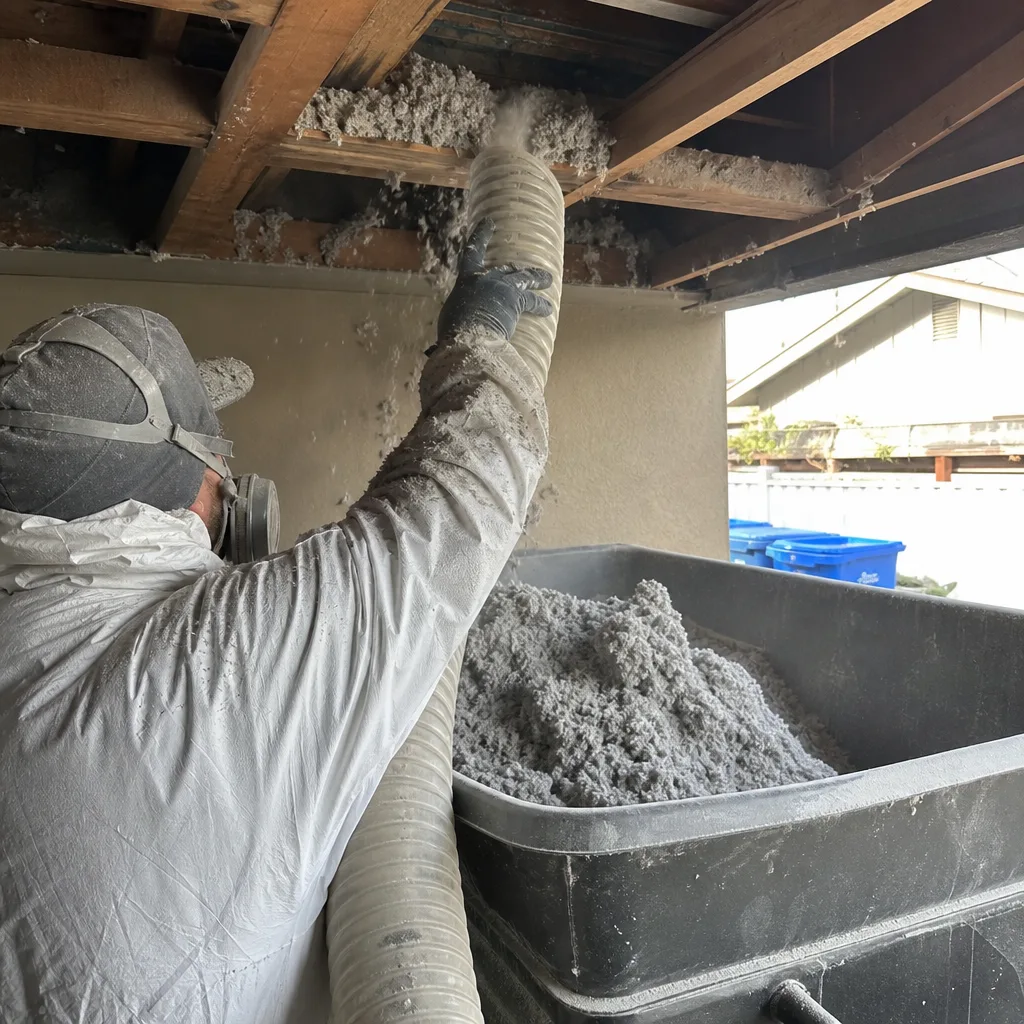
For most San Marino attics, blown-in fiberglass is the fastest and most cost-effective upgrade. We typically blow Owens Corning AttiCat or Johns Manville Climate Pro to R-38 or R-49 across the attic floor. In a 1920s or 1930s estate, that alone can cut upstairs heat gain by 10 to 15 degrees during a July afternoon. The material fills every odd corner and cavity these older truss systems throw at you, which batts simply can’t do.
Attic Batt Insulation
Batt insulation makes sense in San Marino when we’re working in attics with wide, consistent joist spacing and few obstructions, or when you want a cleaner attic you can still walk through for storage. We install Knauf or CertainTeed fiberglass batts in R-30 to R-38 for most of these homes. For San Marino homeowners who want fire resistance and sound control, we also carry Rockwool stone wool, which is a strong fit for the older estates where a garage or guest house sits close to the main structure.
Attic Insulation Top-Up
Many San Marino attics already have some insulation, usually a thin layer of old fiberglass or settled cellulose from decades ago. If your existing layer is under R-19 and you’re still seeing 100-degree indoor temperatures in August, we can blow a fresh layer right over the top. This is a half-day job for most San Marino homes, and it’s significantly cheaper than a full removal and replacement. Call (626) 254-6177 and we’ll tell you if your attic is a candidate for top-up or if removal makes more sense.
Attic Insulation Replacement
Some San Marino attics have insulation that’s no longer doing its job. Rodent damage, water intrusion from old tile roofs, or insulation that’s been compacted to near zero R-value. In those cases, we remove everything, sanitize the attic, air-seal the ceiling plane, and blow or bat new material to current code recommendations. This is also the right move if we discover vermiculite during the inspection, which we’ll cover below.
Attic Baffles & Ventilation Prep
Here’s where San Marino’s old tile roofs create a specific problem. The low-slope sections of a 1930s or 1940s tile roof often have soffit vents that are too small or, worse, blocked by the tile itself. If you blow insulation without first installing baffles to keep those vents open, you trap heat and moisture in the attic. We install baffles along the eaves of every San Marino home we insulate, and we’ll often recommend adding or enlarging soffit vents so the system actually works. Skipping this step is the most common reason we see failed insulation jobs in the city.
What happens when you call
- 1
A real person answersNo phone trees — you reach a local pro.
- 2
You get an upfront price rangeHonest numbers before anyone is dispatched.
- 3
A background-checked tech heads outLicensed & insured, dispatched right away.
- 4
You approve before work beginsNothing starts until you say go.
Trusted Brands We Service in San Marino
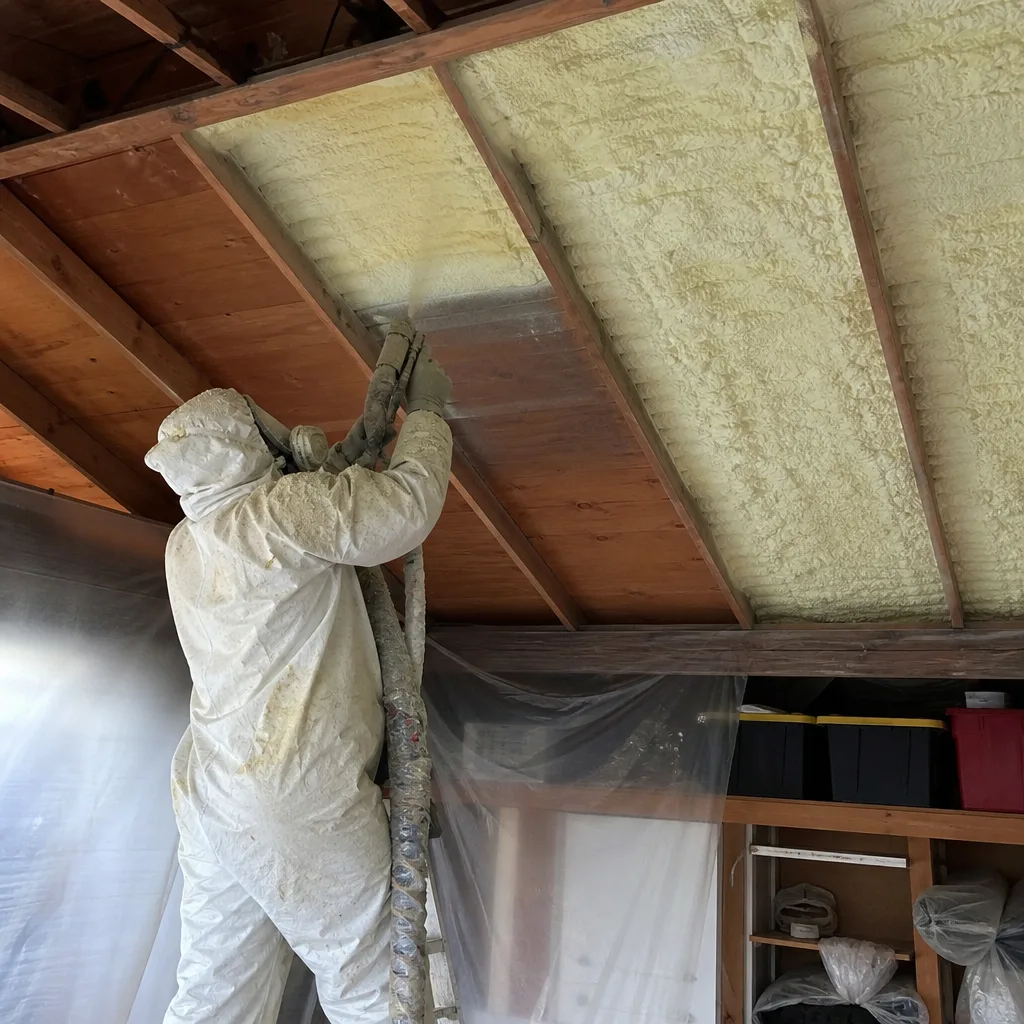
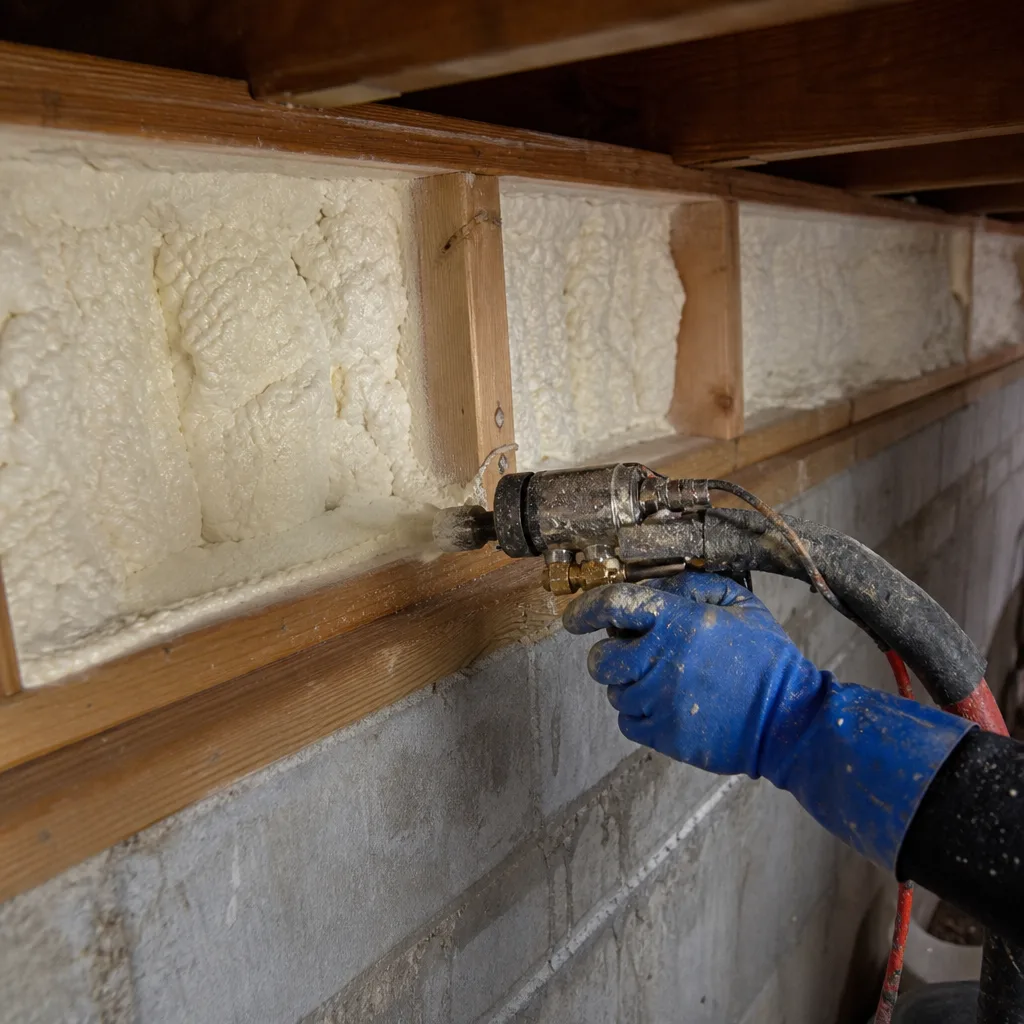
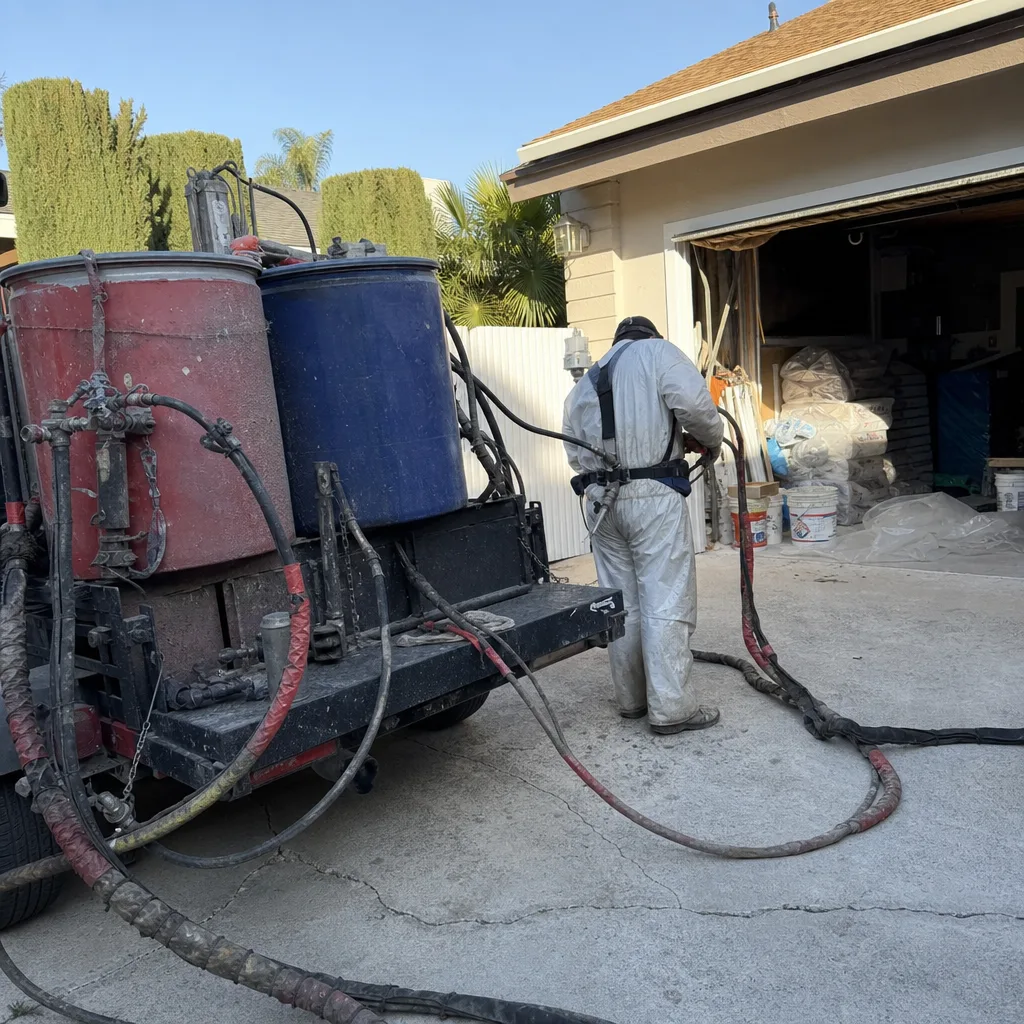
We stock materials from eight different manufacturers, which means we’re not locked into pushing one brand on every San Marino home whether it fits or not. For blown-in work, we favor Owens Corning AttiCat and Johns Manville Climate Pro. For spray foam, we carry Demilec open- and closed-cell products, and we have the training and equipment to apply them properly. For batt work, GreenFiber and Rockwool give us options for sound control and fire resistance. The point is: the material should match your San Marino home, not our inventory. We’ll tell you which product does what, and you decide.
Common Attic Insulation Problems We See in San Marino Homes
- Vermiculite in pre-1950 attics. This is the big one in San Marino’s oldest neighborhoods off Huntington Drive and Oak Knoll Avenue. Loose vermiculite fill from the 1930s through 1950s may be Libby, Montana-origin material with asbestos contamination. If we find it, we stop work and test it before anything gets disturbed. Never let a contractor blow over it without testing first.
- Air-sealing skipped entirely. San Marino’s original lath-and-plaster ceilings have gaps around every light fixture, ceiling medallion, and wall top plate. Blow insulation without sealing those gaps, and Santa Ana winds will drive dust and heat right through your new insulation like it wasn’t there. We air-seal before we insulate, every time.
- Blocked soffit vents in low-slope tile roof sections. A 1930s tile roof has shallow eave sections that trap heat. If batt insulation is shoved into those spaces without baffles, the attic stops breathing. Humidity spikes during summer monsoon pulses, and you get musty smells and pulled plaster. Baffles fix this.
- Under-insulated attics in 1920s-1950s estates. Most San Marino homes have R-11 to R-19, if anything at all. Current code recommendations for this climate zone are R-38 to R-49. That’s a massive gap, and it’s why upstairs rooms run 10 to 15 degrees hotter than downstairs all summer.
Pricing for Attic Insulation in San Marino, CA
Here are real numbers for San Marino, not vague ranges:
- Blown-in fiberglass, 1,800 sq ft attic, R-38: $2,500 to $4,200, including air-sealing the ceiling plane
- Attic top-up over existing insulation, 2,000 sq ft: $1,400 to $2,800
- Full removal, sanitize, air-seal, and reinsulate, 2,400 sq ft: $4,800 to $7,500
- Attic baffle installation and ventilation prep: $600 to $1,400, depending on linear feet of eave
- Dense-pack blown-in wall insulation, per wall, drill-and-fill through interior: $4 to $7 per square foot of wall surface
- Vermiculite testing (if suspected): $150 to $300 for lab analysis
What moves the price in San Marino: ceiling height and attic access (many of these older estates have narrow scuttle holes that need temporary enlargement), the presence of vermiculite requiring testing, and whether your attic needs rodent proofing or cleaning before we insulate. We give you a written line-item quote before any work starts, and that’s the price you pay. Call (626) 254-6177 for a free estimate at your San Marino home.
We Also Serve Cities Near San Marino
Our trucks run daily from El Monte into San Marino and the surrounding San Gabriel Valley. We work in San Gabriel, Temple City, Rosemead, and Arcadia. If you’re in any of those cities, same crew, same owner, same standards. Call us and ask.
Serving San Marino, CA — Our Local Coverage Area
We’re based in the San Marino area and know this community well. Use the map below to see our service coverage — if you’re nearby, we can almost certainly help.
FAQs — Attic Insulation in San Marino
No. Interior attic work that does not alter the roof line, exterior walls, or any visible surface from the street does not require ARC approval. As long as we access the attic through an existing interior hatch or ceiling access and do not add new roof penetrations, vents on the exterior roof face, or visible exhaust stacks, the work falls outside the ARC’s purview. If your project requires new roof vents or an exterior soffit modification, we’ll coordinate with the ARC before any cutting happens.
We stop work and have it tested. Vermiculite from the 1930s through 1950s may contain asbestos from the Libby, Montana mine. If testing comes back positive, the vermiculite must be removed by a licensed asbestos abatement contractor before we can insulate. We do not blow over it, we do not disturb it, and we do not drill through it for any reason. Once abatement is complete and the attic is cleared, we’ll proceed with the insulation. If you know your San Marino attic has vermiculite, tell us when you call so we can schedule testing first.
No. Blown-in insulation is installed entirely inside the attic, on the floor. Your tile roof, stucco exterior, and architectural features are completely untouched. The only visible change from the outside is nothing at all. This is one reason blown-in insulation is the right fit for San Marino’s ARC-protected homes: the work is invisible by design.
R-49. San Marino sits 10 to 15 degrees hotter than the LA coast during summer heat events, and a 1930s estate with original single-pane windows and no wall insulation works hard to stay comfortable. R-49 blown-in fiberglass on the attic floor, with air-sealing completed first and baffles installed at the eaves, gives you the best return for a home this age in this climate. We can do R-38 if budget is tight and the attic has limited headroom, but for a full attic in a house that sees regular 100-degree afternoons, R-49 is what we recommend.
Yes. We access the attic through the existing interior hatch, assess the condition of the old batts, and if they’re dry and intact, we blow fresh fiberglass right over them. Your plaster ceiling below stays completely untouched. If the old batts are rodent-damaged, water-stained, or compressed to nothing, we’ll recommend removal first, but a simple top-up over intact batts is a half-day job for most San Marino attics. Call (626) 254-6177 and we’ll come take a look before you commit to anything.
Written by Ruben Castillo, Owner at Pacific Insulation El Monte, serving San Marino and the San Gabriel Valley.